Why Animated Backgrounds Increase Landing Page Conversions
When a user lands on your website, you have less than three seconds to capture their attention. While bold typography and striking imagery are effective, the modern web demands something more engaging: motion.
Adding lightweight, animated backgrounds to your landing pages can significantly increase user engagement and time-on-page, leading to higher conversion rates. Let’s break down why this works and how you can implement it without sacrificing performance.
1. The Psychology of Motion
Human eyes are naturally drawn to movement. A static background can sometimes feel lifeless, but a subtle pulsing gradient, a slow-drifting particle network, or a responsive geometry mesh creates an immediate sense of depth and modernity.
When a user perceives a site as “modern” and “high-effort,” it builds immediate trust. A trusted user is far more likely to click your Call-To-Action (CTA).
2. Setting the Mood
Animations allow you to set an ambient mood that static images simply cannot match.
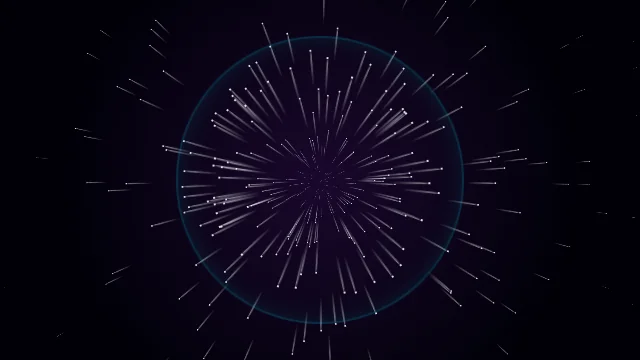
- Tech & SaaS: A Hyperspace Corridor background communicates speed, data, and futurism.
- Creative Agencies: An Abstract Particle Flow provides an organic, artistic feel that responds interactively as the user explores the page.
- Gaming or Web3: A dramatic Cyber Fiber Optics or an imposing Urban Downpour creates an immersive environment right out of the gate.
3. The Performance Caveat
The biggest objection to animated backgrounds is performance. A choppy animation or one that pegs the user’s CPU at 100% will obliterate conversions. The key is using optimized, vanilla canvas or lightweight WebGL over heavy video files.
With resources like HTMLHub, you can drop incredibly efficient, 60fps animations straight into your project. Features like our HTMLHub Studio allow you to customize these effects globally before ever touching your code editor, ensuring you get the exact brand color matching you need.
Conclusion
If your landing page feels flat, consider dropping in an animated background. Keep it subtle, keep it interactive, and watch your engagement metrics climb. Explore our Library to find the perfect background for your next hero section!